What Is the Simplest Timeline of Slot Machine Inventions?
Slot machines have undergone remarkable transformations since their inception, evolving from purely mechanical devices to sophisticated video screen-based electronic games accessible even through web browsers today. If you want to understand how this all began and what key innovations shaped the slot machines we know and love, this straightforward timeline covers the essentials:
1. The Dawn of Automation: Coin Mechanisms
Before slot machines could become the ubiquitous casino staples they are today, the very first innovation was the introduction of coin mechanisms. These mechanisms automated the process of placing a wager and starting the machine, removing the need for a dealer or attendant to manage bets and payouts manually.
- 1891: Sittman and Pitt of Brooklyn created a five-reel poker-style machine, but it lacked an automatic coin mechanism and payout system—players inserted coins but had to settle wins separately.
- 1895: Charles Fey designed the first true slot machine with a coin mechanism built in — the Liberty Bell. When coins were inserted, the player pulled a lever that spun three reels, and winning combinations triggered an automatic payout.
The coin mechanism marked a fundamental shift toward self-contained gambling machines. Players no longer depended on anyone else; the machine handled collecting coins, spinning reels, and dispensing payouts, making it an automated, self-service experience.
2. The Three-Reel Template and Readable Outcomes
Another crucial milestone was the adoption of the three-reel template combined with easily readable outcomes. The Liberty Bell's three spinning reels established a simple visual format that players could understand at a glance—spin the reels and see instantly if you won.
- Each reel featured symbols such as horseshoes, bells, and playing card suits.
- The three-reel setup introduced clear, finite winning combinations rather than complex poker hand variations.
- This design simplified gameplay and made slot machines approachable to a broader audience.
This three-reel template became the foundation of slot machine design for decades and remains recognizable even in modern video slot games that often mimic the look and feel of those early machines.
3. Iconography Takes Hold: Fruit and BAR Symbols
By the 1900s and into the 1920s, slot machine makers sought to freshen the imagery on reels, and that's when the famous fruit and BAR symbols entered the picture.
- Fruit symbols: Cherries, lemons, plums, and watermelons became standard reel images. Interestingly, some attribute this to a marketing tactic: gum companies collaborated with slot manufacturers, awarding pieces of fruit-flavored gum as prizes corresponding to the fruit symbols landed.
- BAR symbol: Derived from the logo of the Bell-Fruit Gum Company, the BAR symbol is a stylized version of their logo and represents one of the longest-surviving slot machine icons.
This combination of colorful fruit and the bold BAR symbol created an iconic and easily identifiable language that slot players could recognize worldwide — and many machines today still pay homage to this classic iconography.
4. Electromechanical Transition and Bigger Payouts
Fast forwarding to around the mid-20th century, slot machines experienced a technological leap: the electromechanical transition.
- 1963: Bally introduced the first fully electromechanical slot machine, “Money Honey,” which combined mechanical reels with electrical components like switches and lights.
- Electromechanical systems allowed for more complex payout schemes, automated coin handling, and auditory/visual feedback that mechanical machines couldn’t easily replicate.
- This era saw the introduction of hopper systems able to accommodate bigger payouts (up to 500 coins and beyond), thanks to electrical coin dispensing.
- Light shows and sounds enriched player engagement—toys like flashing lights and whirring motors became standard fare on the casino floor.
While the basic three-reel principle remained, the electromechanical machines broke ground for a more immersive and rewarding slot experience—one that paved the way to full video screens.
5. The Video Screen Revolution
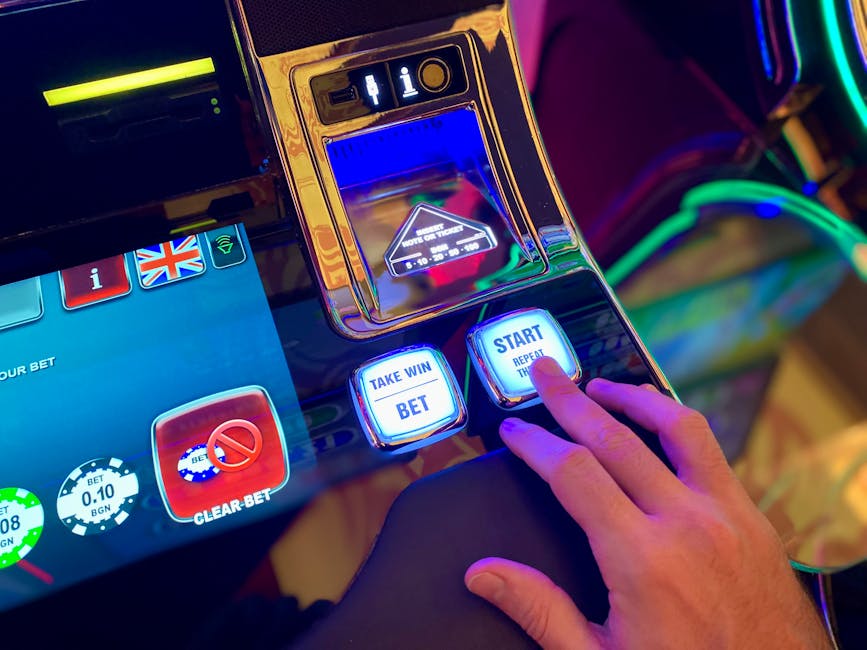
Perhaps the most profound megaways slots change in slot history was the replacement of physical reels with video screens, which offered infinite design possibilities.
- 1976: Fortune Coin Co. introduced the first video slot machine using a modified 19-inch Sony Trinitron color TV display.
- Instead of spinning reels, video screens displayed animated reels, allowing for more symbols, bigger reels, and interactive features.
- Video slots allowed designers to incorporate multiple paylines, bonus rounds, and elaborate themes that mechanical and electromechanical machines couldn’t match.
- Today’s video slots frequently echo the classic three-reel or five-reel setups but use video graphics to create dynamic gameplay.
The move to video meant that the core foundational concepts—coin mechanisms to start the game, recognizable symbols, and the three-reel format—evolved but stayed rooted in the past. Video technology supercharged slot machines with new ways to engage players while preserving the essence of the original slot concept.
6. Slots in Web Browsers: The Digital Frontier
As internet connectivity spread worldwide, slot machines found their way into web browsers, transforming gambling into an at-home digital experience.
- Software developers ported traditional slot mechanics into HTML5 and Flash formats, letting players spin slots directly on PCs, tablets, and smartphones.
- Web browser slots expanded on video slots' interactive features, adding social and multiplayer elements, progressive jackpots, and real-time leaderboards.
- In terms of user experience, these games keep the use of coin mechanisms metaphorically. Players “insert” credits and spin reels but via digital currency or bet credits rather than physical coins.
- This digital transition removed all mechanical parts and replaced them with software-controlled randomness, but visually and conceptually, many web slots still reference classic symbols and reels for familiarity.
The journey from clunky mechanical cabinets to slick browser-based slots is a perfect example of how foundational principles of slot machine design adapted to technological advances while maintaining player appeal.
Summary Table: Simplest Timeline of Slot Machine Innovations
Year Innovation Details What Changed vs Stayed Same 1891 Early Poker Machine (Sittman & Pitt) Mechanical reel machine but no automatic coin mechanism or payout Mechanical reels = same; automatic payout = new in future 1895 Liberty Bell (Charles Fey) First automatic coin mechanism and payout with 3 spinning reels Coin mechanism = new; three reels = established; payout automated 1920s Fruit & BAR Symbols Iconography introduced for branding and player recognition Symbols changed; reels remained 3; gameplay simplified 1963 Electromechanical Slots (Money Honey) Electrical components & bigger automated payouts with hopper Mechanics enhanced by electricity; player experience richer 1976 Video Slot Machines Reels replaced by video screens; bonus rounds & multi-lines Physical reels replaced by video; gameplay complexity up 1990s-2000s Slots in Web Browsers Digital slots playable online; interactive, multiplayer Physical replaced by software; coin mechanisms virtualConclusion
The simplest timeline of slot machine inventions highlights four key themes:

- Automation via coin mechanisms established the basics of self-service gambling.
- Readable outcomes and the three-reel template gave players clear, understandable gameplay.
- Iconography like fruit and BAR symbols created a recognizable visual language.
- The electromechanical transition introduced bigger payouts and richer player feedback, setting the stage for the modern era.
From these foundations came the explosion of video screen slots and later web-browser-based gaming, each new step building on the last while adapting to new technologies and player preferences. Despite flashy graphics and digital convenience, modern slots remain deeply rooted in the original lever-pulling, reel-spinning concept shaped over a century ago.
If you love the whistles and chimes of a classic slot or the eye-popping animations of a modern video slot, now you know the simple timeline and innovations that made it all possible.