How to Keep Gambling as Entertainment and Not the Main Goal of Your Trip
Planning a road trip with a stop at a casino can be exciting, but it’s important to maintain balance so gambling remains a fun part of your journey, not the entire purpose. When you prioritize driving safety and thoughtful travel planning, you’ll enjoy the trip without the stress that comes from overspending or spending too much time at the casino.
In this blog post, we’ll cover key strategies to help you balance road and casino activities effectively:
- Prioritizing driving first and casino second
- Using parking payment and banking apps for smooth stops
- Realistic daily driving plans with buffer time
- Separating travel funds from gambling funds
- Emergency reserve planning to stay safe
- Setting time boundaries
- Planning non-casino stops for added enjoyment
Driving Comes First, Casino Comes After Parking
A responsible trip always starts with safe and enjoyable driving. Casinos are a fun stop on your route — not the entire destination. Before you even think of placing a bet, your first task is to ensure your vehicle is parked safely and securely. This mindset keeps your focus on the journey and your safety.
Using Parking Payment Apps to Reduce Stress
Modern parking payment apps make your casino stop smoother and less distracting. Apps like ParkMobile, PayByPhone, or even specific casino parking apps let you pay for parking from your phone—eliminating the the need to have exact change, search for meters, or rush back to the vehicle.
Benefits include:
- Quick transactions right from your phone
- Reminders before your parking session ends
- Payment history so you can track your spending
This simple step ensures your time at the casino is stress-free from the start, and you can focus on entertainment rather than parking logistics.
Realistic Daily Drive Planning and Buffer Time
When balancing travel and gambling, a well-planned driving schedule is crucial. Underestimating distance or drive-time often leads to rushing, fatigue, and frustration. By planning realistic daily mileage and including buffer time, you protect your trip from last-minute hassles.
- Set manageable daily distances: Limit yourself to no more than 4-6 hours of driving per day to keep rested.
- Add buffer time for unexpected delays: Account for traffic, rest stops, and meal breaks.
- Schedule arrival times with leisure in mind: Arrive at your casino stop with plenty of daylight and time to settle.
- Use mapping apps with live traffic updates: Google Maps or Waze help you adjust your plan on the fly.
A sample driving plan for 400 miles might look like this:
Day Planned Driving Duration Buffer Time Included Arrival Time Day 1 4 Hours 30 Minutes 3 PM Day 2 3.5 Hours 30 Minutes 2 PMSeparate Travel Funds From Gambling Funds
One of the biggest mistakes that trips with a gambling stop-makers make is mixing travel money with gambling money. This often leads to overspending and stress.
How to Create Clear Budgets Using Banking Apps
Modern banking apps often have budgeting tools that help you allocate and monitor different spending categories. Here’s how you can use them effectively:
https://theweeklydriver.com/2026/09/planning-a-casino-road-trip-what-to-sort-out-before-you-start-the-engine/- Open a dedicated travel sub-account or digital wallet: Move your travel expenses (fuel, food, lodging) here.
- Create a separate sub-account for gambling funds: Only transfer what you’re willing to gamble with — no more, no less.
- Set spending alerts: Many apps allow notifications when you reach a spending threshold.
- Track your transactions to stay disciplined and avoid accidental spending.
Keeping your funds strictly separate creates mental boundaries that help you set time boundaries for gambling and travel spending alike.
Emergency Reserve Planning
Life happens, and you don’t want surprises to derail your trip or your budget.

Why You Need an Emergency Reserve
Unexpected vehicle repairs, medical needs, or last-minute travel changes can crop up. Having an emergency cash or accessible fund—distinct from your travel and gambling budgets—ensures you avoid financial stress during your trip.
Tips for Emergency Fund Management
- Keep cash in a secure but easily accessible place.
- Use a credit card with a suitable limit for emergencies but avoid using it as your daily spending tool.
- Inform a trusted person about your backup plan and, if possible, share some emergency funds with them digitally for use if needed.
Set Time Boundaries for Gambling
Spending hours on the casino floor can be fun but also tiring, costly, and distracting from your travel plans.
How to Set and Enforce Time Limits
- Decide in advance how long you plan to gamble (e.g., 2 hours max).
- Set alarms or timers on your phone to remind you when your allotted session ends.
- Stick firmly to your limit to avoid chasing losses or fatigue.
- Take breaks outside or in non-gambling areas to refresh your mind.
Time-bound gambling not only keeps your budget in check but also helps you enjoy a balanced trip with plenty of time left for exploration.
Plan Non-Casino Stops for Enjoyment and Relaxation
To truly balance your road and casino experience, plan interesting stops that do not involve gambling. This adds variety, cultural enrichment, and rest opportunities.
Non-Casino Stop Ideas
- Local parks or hiking trails near your route for fresh air and exercise.
- Museums, historic sites, or quirky roadside attractions.
- Restaurants or cafes known for regional specialties offering a culinary break.
- Short scenic detours to admire the landscape and stretch legs.
These stops help you avoid casino fatigue, create memories beyond gambling wins or losses, and keep your trip fulfilling.
Summary: Balancing the Road and the Casino
Successfully integrating a casino stop into your road trip comes down to smart planning and balance. Prioritize safe and realistic driving first, handle all parking and vehicle-related logistics before engaging with the casino, and create clear financial and time boundaries. Use tools like banking apps and parking payment apps to reduce friction. Most importantly, plan non-casino stops to enrich your travel experience.
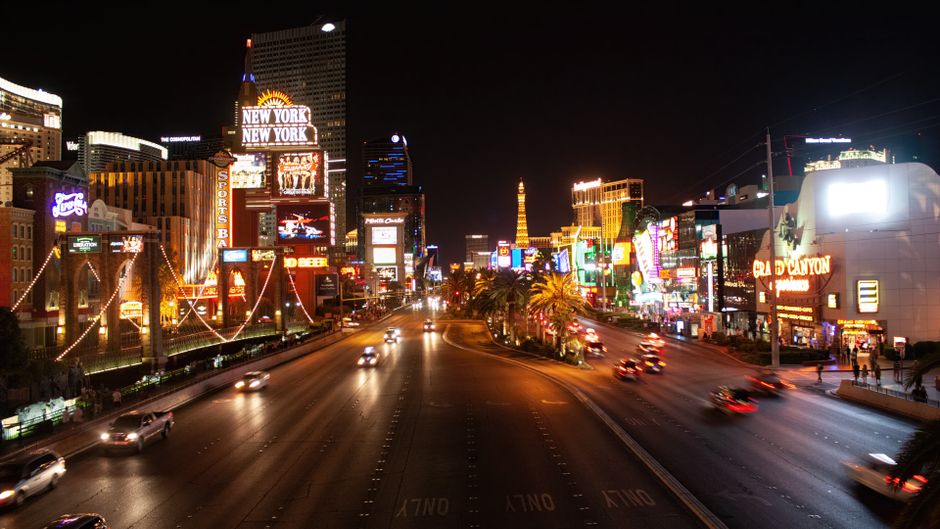
By following these strategies, you’ll keep gambling as entertainment—an exciting part of your trip, but never the entire destination.